
Schools & Education
Here for all your children and young people
We’re here to provide crucial support to children and young people, whatever their needs, however complex. No waiting lists, no barriers, free at the point of access. When you need support for a student, we’re ready to step in — no diagnosis required.

YCT counselling forms a key part of schools’ pastoral support and emotional wellbeing offer. Young people can often find it easier to access counselling in schools than with external agencies. Early-intervention support can help problems escalating or becoming more severe later on.
As health services face increasing pressure and young people present with more complex needs, it feels more important than ever to have onsite therapeutic support available in schools.
Services are tailored to meet the particular needs of individual schools. We would typically provide:
Support to establish an on-site school counselling service.
A fully qualified, BACP (or equivalent) registered therapist, who are fully DBS-checked, insured and referenced.
Safeguarding support from YCT Support’s Schools Coordinator.
Consultation to staff on counselling related, safeguarding and wellbeing issues.
Support making referrals to outside agencies – CAMHS, Social Care.
Reports summarising outcomes and feedback from young people accessing the service.

Our counselling service is fully scalable. Our charge for a counsellor on site and all back office support services is £51.50 per session. Therefore, one full day of counselling per week (5 sessions) over a 38-week academic year would be £9785.
Pricing for groups and workshops available on request.
YCT therapists are fully qualified, with extensive experience working with young people. We do not use trainees in schools to deliver our service.
Safe hands
The safety and wellbeing of every child, young person and family who uses our services is at the heart of everything we do. Our charity operates within a clear and robust safeguarding strategy that ensures all children, young people and vulnerable adults are protected from harm and supported in a safe, respectful and therapeutic environment. Our therapists are fully qualified professionals, and we’re proud members of the British Association of Counselling and Psychotherapy (BACP) which means we follow strict quality and ethical guidelines. Through safe recruitment processes, enhanced DBS checks, ongoing safeguarding training, clear reporting pathways, strong clinical supervision and strategic leadership we create a protective framework where children and families can engage with our services with confidence, knowing they are in safe hands.



Safeguarding Commitment Statement
We are fully committed to safeguarding and promoting the welfare of all children and young people who access our counselling and therapeutic services within school and education settings. Safeguarding is integral to our practice and underpins all aspects of our work with pupils, families, and education professionals.
Our Safeguarding Children and Adults Policy sets out clear responsibilities, expectations and procedures to prevent harm, identify when abuse or neglect may be occurring, and respond promptly and appropriately. This policy aligns with statutory guidance for safeguarding in education, including Keeping Children Safe in Education (KCSIE), and supports schools in meeting their safeguarding duties.
We deliver our counselling and therapeutic services within a robust multi-agency safeguarding framework consistent with local best practice in Essex. For children and young people, we operate in accordance with the SET (Southend, Essex & Thurrock) Child Protection Procedures, ensuring effective coordination with schools, Designated Safeguarding Leads (DSLs), and external agencies to protect pupils at the earliest opportunity.
Our work in schools recognises that therapeutic spaces must be safe, confidential, and developmentally appropriate, while maintaining clear professional boundaries and safeguarding responsibilities. Where a safeguarding concern arises, confidentiality is appropriately balanced with our duty to share information to protect the child.
In practice, we will:
Maintain clear and accessible reporting pathways so that counsellors, therapists, school staff, and partners understand how to raise safeguarding concerns and who to notify within the school and our organisation.
Ensure all practitioners delivering counselling and therapeutic support in schools are suitably trained, supervised, and competent, with up-to-date safeguarding knowledge relevant to educational environments.
Implement robust safer recruitment, induction and ongoing training processes, including enhanced DBS checks and safeguarding briefings specific to school-based practice.
Work collaboratively with Designated Safeguarding Leads, SENCOs, pastoral teams and wider school staff to ensure a coordinated and informed approach to pupil wellbeing and protection.
Cooperate fully with children’s social care, local authority services, police, health professionals and other agencies when safeguarding concerns are identified.
Use trauma-informed and child-centred approaches that prioritise the emotional safety, voice, and lived experience of the pupil.
Regularly review and update safeguarding procedures in line with changes to legislation, KCSIE guidance, and local Essex safeguarding frameworks.
We place the child or young person at the centre of our safeguarding and therapeutic approach. Their wellbeing, safety, wishes and outcomes guide all decisions and interventions within the school environment.
Safeguarding is everyone’s responsibility. Through strong partnership working with schools and adherence to local and national safeguarding frameworks, we aim to provide safe, ethical and effective counselling and therapeutic support that enhances pupil wellbeing and protects those most at risk.
We care for the people who care
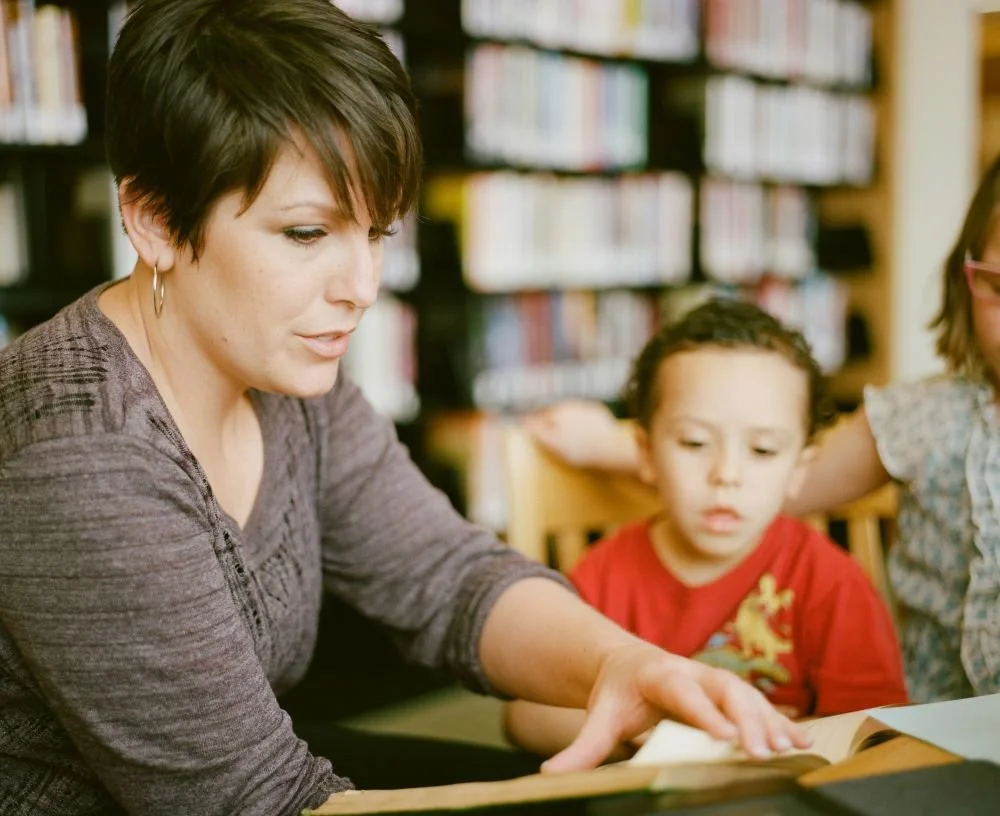
We’re here for the helpers too. As a teacher, coach or carer you’re often the first to spot when a student is struggling. We offer safeguarding support, clinical supervision for teachers, crisis support and bereavement groups, to help you support the young people in your care better.
Stories of change